Custom software solutions are crucial for tile manufacturers to remain competitive in 2026. These solutions use technology to transform production and operations. They allow for adaptability, streamlined workflows, and market demand alignment. This article explores how these solutions benefit the industry and what future trends hold.
Introduction to Custom Software in Tile Making
Custom software tools are changing tile making by giving special tools for every step of making tiles. These tools help tile makers meet changing needs, boost product quality, and speed up work. Plain and simple. Custom software can make tasks easier, leading to better accuracy. For further insights, read our analysis on Soluzioni Ecommerce B2C per Rivenditori di Piastrelle | Tiles IT Solutions, a key part of custom software solutions for tile manufacturing.
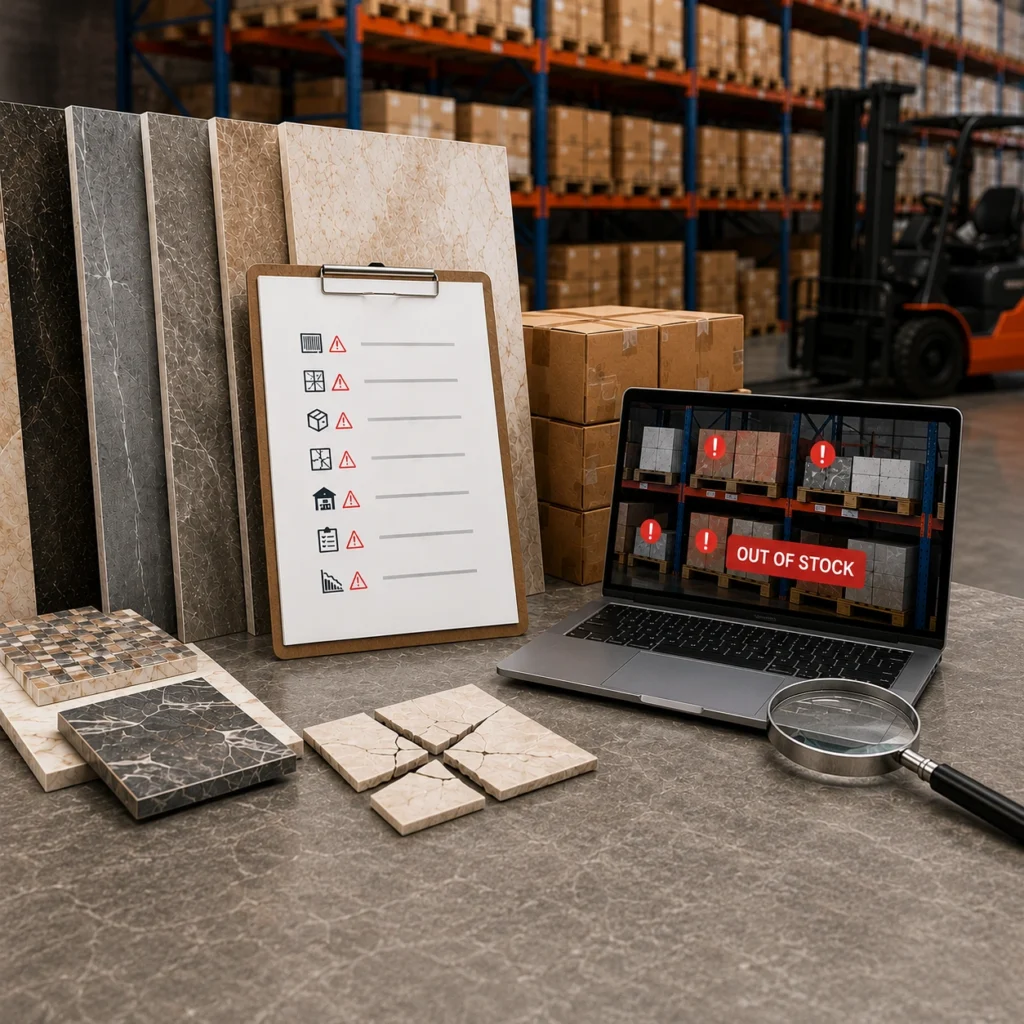
The ability to link easily with current systems is a big plus of custom software. This cuts down on disruptions and downtime. This is key for keeping steady production levels with fewer mistakes. For example, custom software can manage stock precisely, making sure materials are stored well to prevent delays. Real-time data checks also allow quick, informed choices, letting makers adapt fast to market changes. That’s the reality. Let’s break that down. This quickness boosts output and offers a strong edge in the fast-paced tile sector.
The Role of Digital Transformation in the Tile Industry
Digital transformation isn’t just about new tech—it changes the whole firm model in the tile industry. Tile makers can make production simpler, boosting speed and cutting waste. Sensors and automation give real-time checks, making sure tiles are of higher quality with fewer flaws. On the sales side, digital tools boost client experience. Virtual showrooms let clients see tile designs in their spaces using augmented reality. Let’s break that down. This immersive experience cuts returns and boosts joy. Also, data helps tailor offerings to buyer trends. Here’s why that matters. By embracing digital shifts, tile companies can compete more effectively and deliver more value.

Key Drivers for Digital Transformation
The demand for personalized products is a key driver of digital transformation. Buyers want unique tile designs, sparking new ideas among makers. It’s a noticeable shift. Advanced data is core for seeing these preferences. Speed is another driver, with companies pushing for simpler processes through automation. This cuts costs and speeds up production. Visualization tools also boost the buying experience, allowing buyers to see tiles in their own spaces.
Problems and Chances
This transformation poses problems, such as high starting costs and linking new tech with current systems. Small firms may find the investment in AI fixes daunting, but the chances are big. Let’s break that down. AI-driven data boosts decision-making by giving insights into buyer behavior. IoT can boost speed with real-time checks and predictive maintenance, cutting downtime. No surprise there. Balancing these problems and chances is key for successful it.
Future Trends in Manufacturing Software
Manufacturing software is changing fast, with trends driving the industry. Automation leads the way, making tasks easier and cutting mistakes. Worth remembering. Robotic process automation (RPA) handles repetitive tasks, freeing workers for complex activities. Sustainability is another key trend, with software checking resource use and boosting energy consumption. Data-driven decision-making gains momentum, giving real-time insights. This helps predict equipment failures, boost supply chains, and boost product quality. As these trends grow, manufacturing software will increasingly drive new ideas and competitiveness. That’s the short version.
Emerging Tech to Watch
AI and IoT are key in changing manufacturing. AI-driven data gives deep insights, allowing precise real-time adjustments. Simple as that. IoT devices check equipment for predictive maintenance, cutting downtime. By linking AI, companies can boost supply chains and cut waste. These tech boosts speed and support sustainable practices by boosting resource use. It adds up fast. Let’s break that down.

Impact on Tile Manufacturing Speed
Using new tech boosts tile it speed in several ways. Cutting waste reduces material costs and environmental impact. Plain and simple. Advanced resource tuning, like precise raw material measurement, ensures effective use, cutting expenses. Boosted it control through real-time checks keeps product standards, cutting rework. That’s the reality. These improvements lead to a stronger return on investment by lowering costs and boosting trust. Let’s break that down.
Custom ERP Tools for Tile Manufacturers
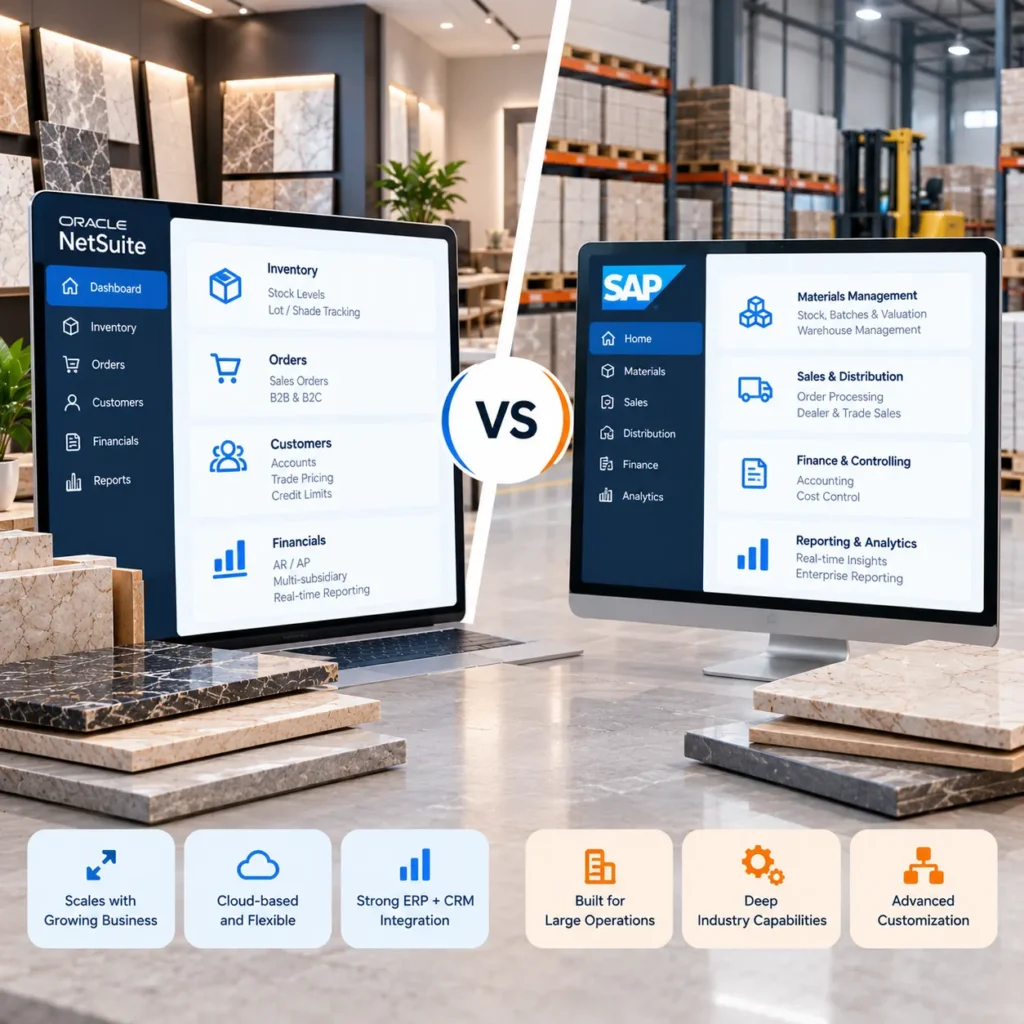
Custom ERP options offer tile manufacturers a custom platform that aligns with work needs. These systems simplify stock management by updating stock levels automatically as materials are used. Here’s why that matters. This prevents overstocking or understocking, making sure smooth operations. This control processes can link into these systems, tracking defects and setting up improvements directly within workflows. Custom reporting tools make insights specific to tile this, helping with pricing and plan decisions. It’s a noticeable shift. Let’s break that down. Centralizing these functions boosts speed, cuts costs, and allows quick response to market changes.
Benefits of Custom ERP
Custom ERP systems bring big advantages by tailoring features to company needs. Scalability ensures growth without performance loss. Freedom allows system changes as work evolves. Let’s break that down. Boosted data access gives real-time info, aiding quick decision-making. Integration with current software cuts data silos, building teamwork. No surprise there. This teamwork can lead to simpler processes and big time and cost savings.
Ecommerce Fixes for the Tile Industry
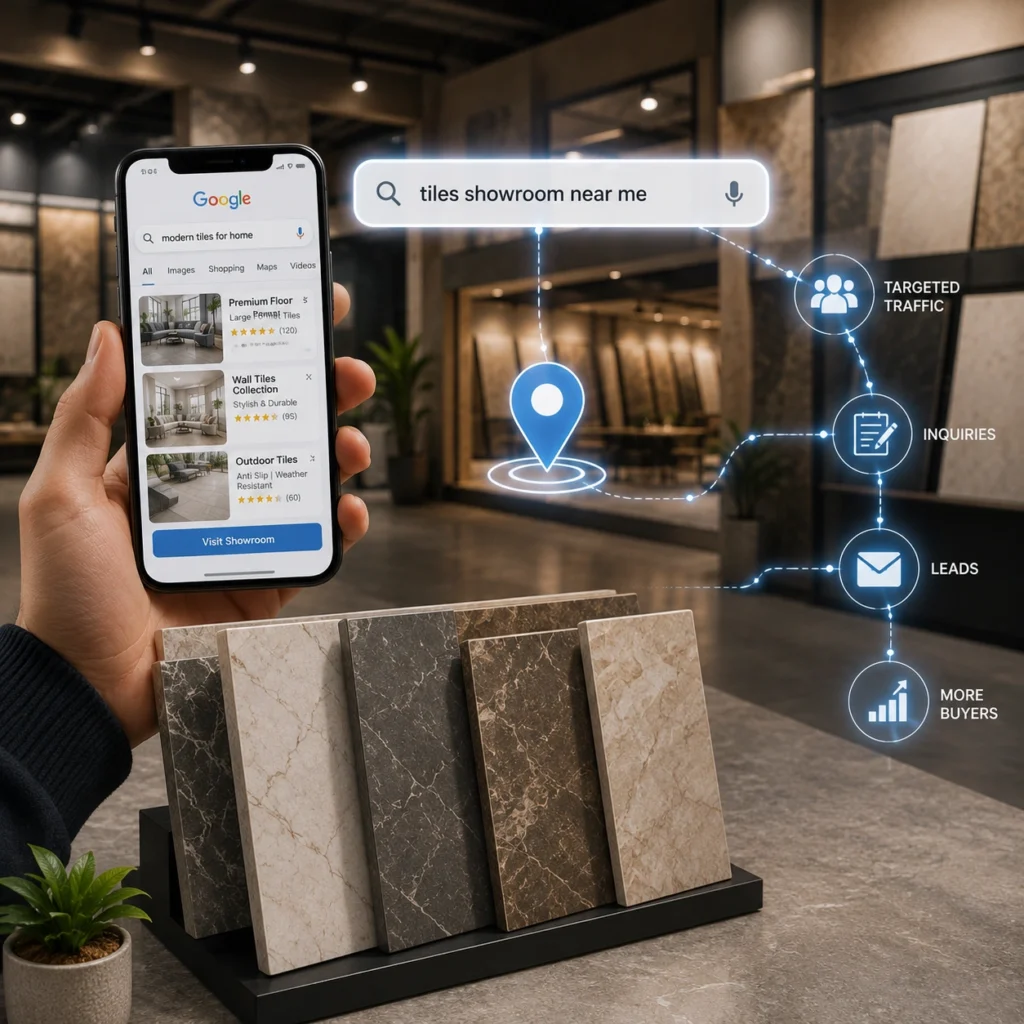
Ecommerce platforms are vital for tile manufacturers looking to expand market reach and boost interest. These platforms showcase products effectively, offering detailed descriptions and high-res images. Providers like Soluzioni Ecommerce B2B per Produttori di Piastrelle offer special tools for the tile sector. They link advanced marketing plans, such as personalized email campaigns and SEO, to attract traffic. Worth remembering. Tools like Magento store management services make company tasks easier by managing stock and processing orders quickly. Let’s break that down. By adopting this options, tile manufacturers boost competitiveness, offering a smooth shopping experience that meets buyer needs.

Key Insight: Custom ERP systems can greatly cut operational costs by linking all company functions into a single, quick platform.
Conclusion
Custom software options are vital for future-proofing the tile this industry. They boost speed, support digital this approach, and make new ecommerce openings. Plain and simple. By adopting these tools, it can ensure they remain strong and capable of meeting ever-changing market demands.
Key Insight: Expect more adoption of advanced tech as this seek to boost output and shopper joy.
Call to Action
Ready to boost your tile this approach with custom software fixes? Contact us today for a consultation and discover how we can tailor our services to fit your unique firm needs.
Custom software solutions are key to future-proofing the tile manufacturing industry. They enhance efficiency, support digital transformation, and create new ecommerce opportunities. As the industry evolves, expect more adoption of these tools to stay competitive.
Frequently Asked Questions
What are some major manufacturing software companies?
+
Major manufacturing software providers include SAP, Oracle, and Microsoft. These companies offer robust solutions tailored to different industries, enhancing operational efficiency and data management.
How can custom software solutions improve tile manufacturing efficiency?
+
Custom software enhances efficiency by automating workflows, integrating systems for seamless operations. And reducing manual errors, ultimately boosting productivity.
What are the benefits of digital transformation in the tile industry?
+
Digital transformation enhances process efficiency, boosts product quality. And improves customer satisfaction by leveraging data-driven insights and advanced technologies.
How does ecommerce integration benefit tile manufacturers?
+
Ecommerce integration allows tile manufacturers to broaden their market reach, enhance customer interactions. And streamline sales processes, leading to increased revenue.
What is digital transformation in the tile industry?
+
Digital transformation involves integrating digital technologies into all aspects of tile manufacturing, revolutionizing how businesses operate and deliver value to customers.