An integrated ERP rollout that connected purchasing, warehouse operations, and dispatch under one system, cutting warehouse errors by 38% and eliminating the manual reconciliation that had been eating hours every week.
View All Case Studies
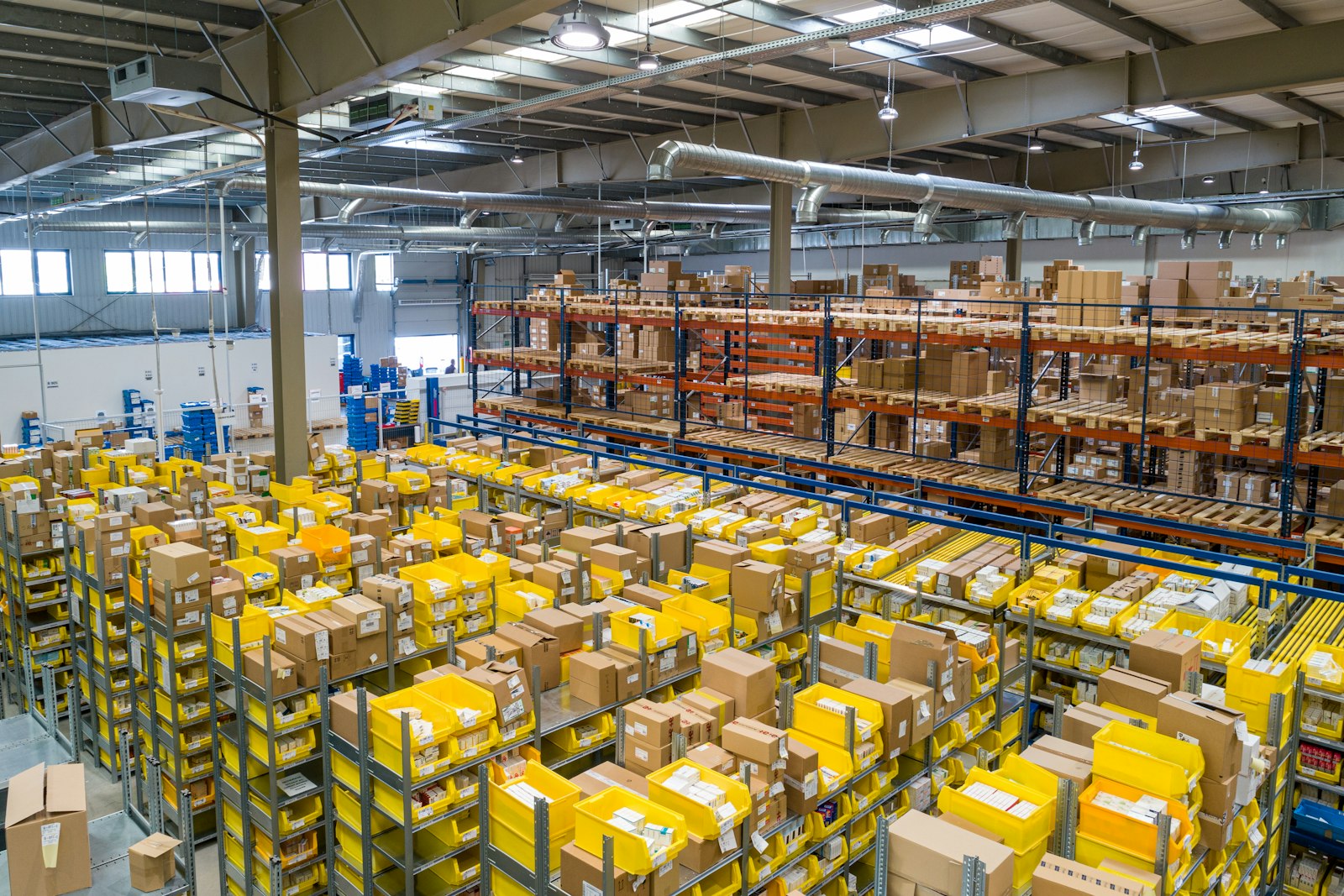
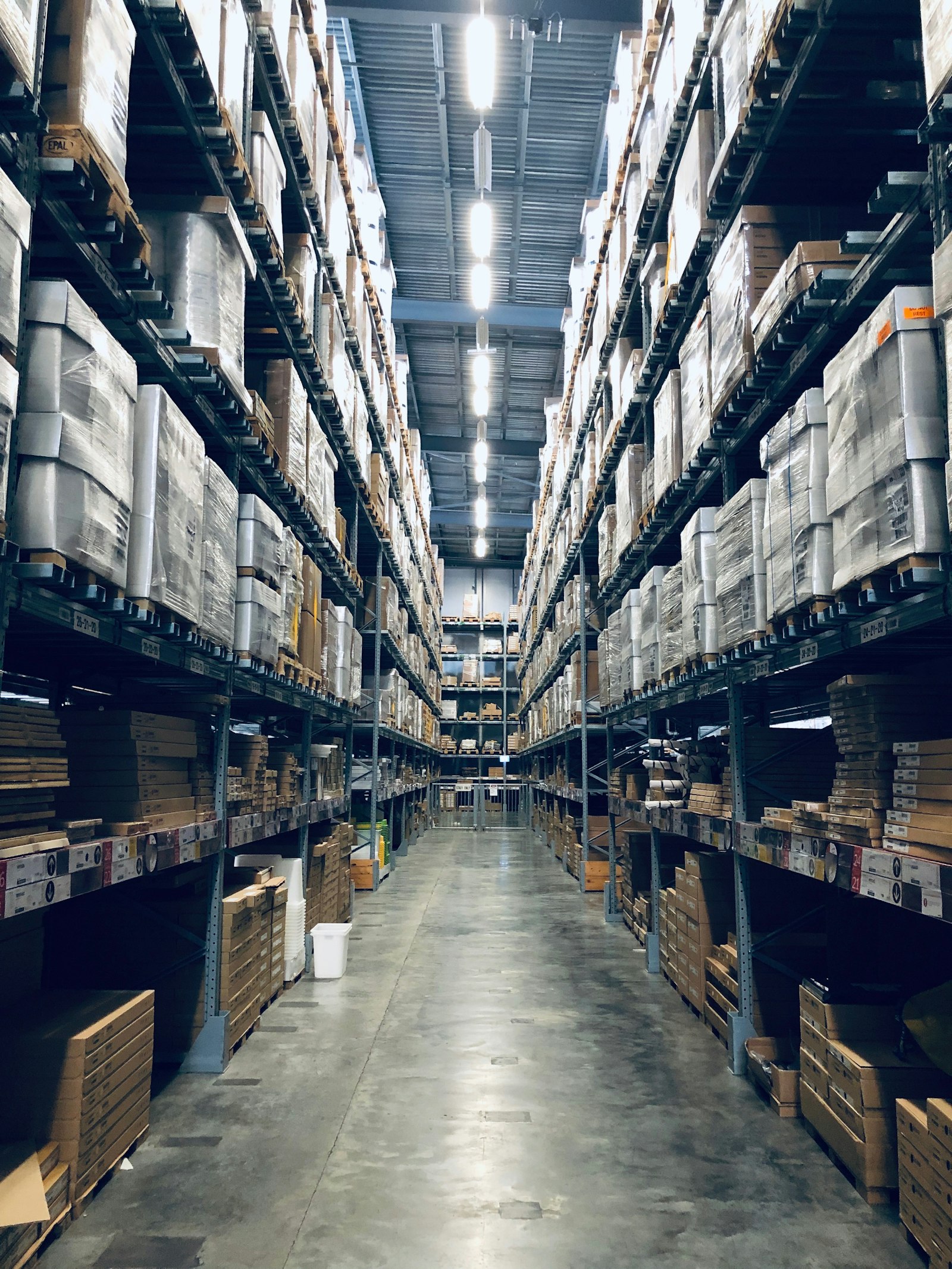
This is a mid-sized tile distributor operating a central warehouse that receives stock from multiple manufacturers and fulfills orders across a trade dealer network and direct commercial accounts. The warehouse handles ceramic, porcelain, and natural stone across hundreds of product lines, each with shade lot and caliber grade variations tracked separately through inbound and outbound. Order volumes are high. Pick accuracy matters.
The warehouse ran on a patchwork of systems never designed to work together. Purchasing happened in one tool. Stock was tracked in a spreadsheet updated manually at the end of each shift. Dispatch used a printed pick list from a separate order management system. By the time a pick list reached the floor, the stock positions it referenced could already be wrong.
Errors came from several directions. Inbound deliveries were checked by hand against paper goods-received notes. If a pallet arrived short, or with a different shade lot than ordered, that discrepancy might not reach the stock record until the next manual count, which happened weekly. In the meantime, orders were being picked against inventory that did not reflect reality.
Shade lot mistakes were the most expensive. A picker pulling from the wrong lot would not always catch it. The error showed up when the customer installed the tiles and saw a visible tone difference across their floor. Returns, site visits, replacements. Each one cost far more than the original order.
The warehouse manager kept a personal log of recurring error types: short picks, wrong lot, wrong quantity shipped. The log ran to two pages. Identifying the pattern was not the problem. Fixing it required a system that connected all the moving parts, and there was not one.
Tiles IT Solutions integrated the full warehouse operation into a single Odoo ERP instance, connecting purchasing, goods receipt, stock management, picking, and dispatch into one unbroken workflow.
The biggest structural change was eliminating paper from the warehouse floor. Every inbound delivery is now received against a digital purchase order in Odoo. The operator confirms quantities and lot details at the goods-in bay. If a delivery does not match the purchase order, the system flags it immediately. A short delivery cannot be accepted silently and forgotten. It goes on record, triggers a supplier notification, and the stock count only reflects what was physically confirmed.
Picking runs from live system data, not a printed list generated an hour earlier. Each pick task references the current bin location and the specific shade lot and caliber grade the order requires. If a picker scans a box from the wrong lot, the system rejects it before the item goes on the trolley.
The harder piece was the existing stock position. The warehouse had not had a full count in over a year. The spreadsheet had drifted. A two-day physical count ran before the ERP went live, reconciling the starting position against what was actually on the floor. Without that baseline, every error the new system flagged would have been impossible to trust.
Grafana was connected to the Odoo database for a live operations dashboard: open pick tasks, goods-in queue, error flags, and daily dispatch progress on one screen. Metabase handles weekly and monthly management reporting on order accuracy, error type breakdowns, and supplier delivery performance.
Before: Inbound deliveries were checked on paper and reconciled manually, sometimes days after arrival. Pick lists were generated from stale data. Shade lot errors reached customers before anyone in the warehouse knew they had happened. The warehouse manager found out about picking mistakes from customer complaints, not from the system.
After: Every inbound delivery is confirmed digitally at goods-in. Stock counts update in real time. Pick tasks reference live bin locations and lot requirements, and the system catches a wrong scan before the box moves. The warehouse manager sees live error flags on a dashboard. Supplier short deliveries are logged automatically and followed up without manual chasing.
Warehouse errors in tile distribution are not just operational problems. Each wrong shade lot that reaches a customer is a return, a replacement delivery, and a conversation about whether to use the same supplier next time. Getting the system to catch mistakes before they leave the building is what changes that equation.